Leakage from the tank body
Water from a connection or drain valve may be repairable; leakage from a failed tank commonly changes the decision.
Water heater replacement makes sense when the equipment—not a fixture, control or distribution issue—is the limiting problem. A leaking tank, repeated component failures, inadequate capacity or a deteriorated heat exchanger can support replacement. The correct unit still depends on demand, energy source, location and installation requirements.
Service-specific diagnosisMatch the symptom to the right component
Repair before assumptionDefine damage and usable material
Tucson contextAccount for property and local conditions
Clear phone CTANo form, pricing or fabricated promises
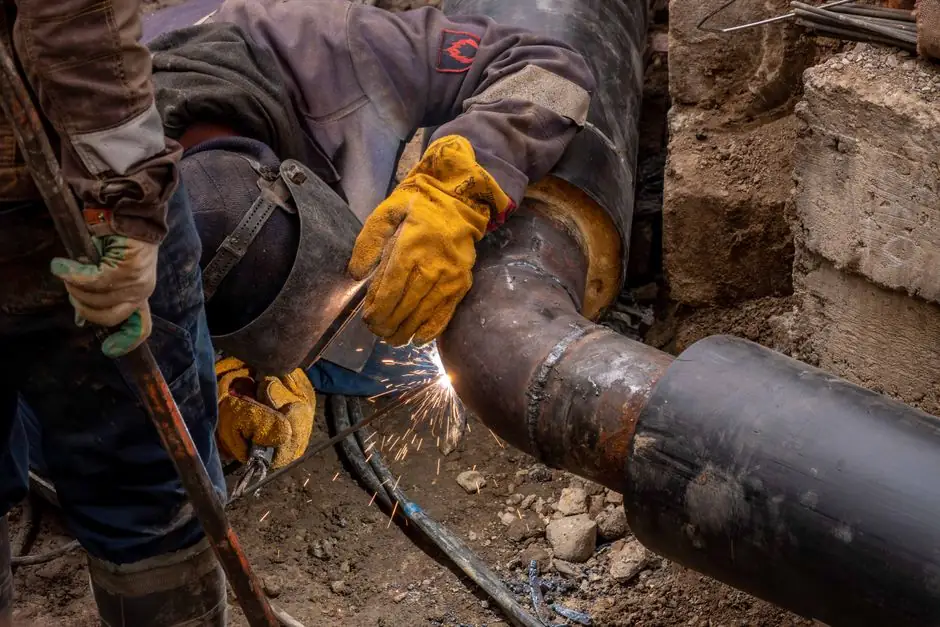
Water heater replacement makes sense when the equipment—not a fixture, control or distribution issue—is the limiting problem. A leaking tank, repeated component failures, inadequate capacity or a deteriorated heat exchanger can support replacement. The correct unit still depends on demand, energy source, location and installation requirements.
Review energy source, tank or tankless type, storage capacity, peak demand, installation space, venting, electrical capacity, gas supply where relevant, drain provisions and hot/cold connections. The leak source should be verified before replacing equipment.
Call +1 520-523-1313 →Symptoms guide the evaluation but do not diagnose an unseen plumbing problem by themselves.
Water from a connection or drain valve may be repairable; leakage from a failed tank commonly changes the decision.
Reduced output can involve scale, failed components, changed household demand or an undersized unit.
Repair history, corrosion and parts availability can make continued repair less practical.
Several causes can produce a similar visible result. The component, pattern and service history help separate them.
Internal corrosion or a non-serviceable leak may make replacement the appropriate path.
Mineral deposits can affect heating surfaces, flow passages and valves, especially when maintenance has been limited.
A change in occupants, fixtures or simultaneous use can expose a unit that no longer matches demand.
Review energy source, tank or tankless type, storage capacity, peak demand, installation space, venting, electrical capacity, gas supply where relevant, drain provisions and hot/cold connections. The leak source should be verified before replacing equipment.
Talk With a Plumber →Identify every affected fixture or area and whether the problem is isolated or shared.
Review condition, connections, access and surrounding plumbing within the service scope.
Separate cleaning, localized repair, component replacement and larger work.
Like-for-like tank replacement can limit system changes. A different-capacity tank requires correct sizing. Tankless conversion may require changes to fuel, electrical, venting and condensate systems and should be assessed as a distinct project.
Share the symptom pattern and affected areas.
Identify the component and surrounding condition.
Choose an option supported by the finding.
Review the addressed system within the agreed scope.
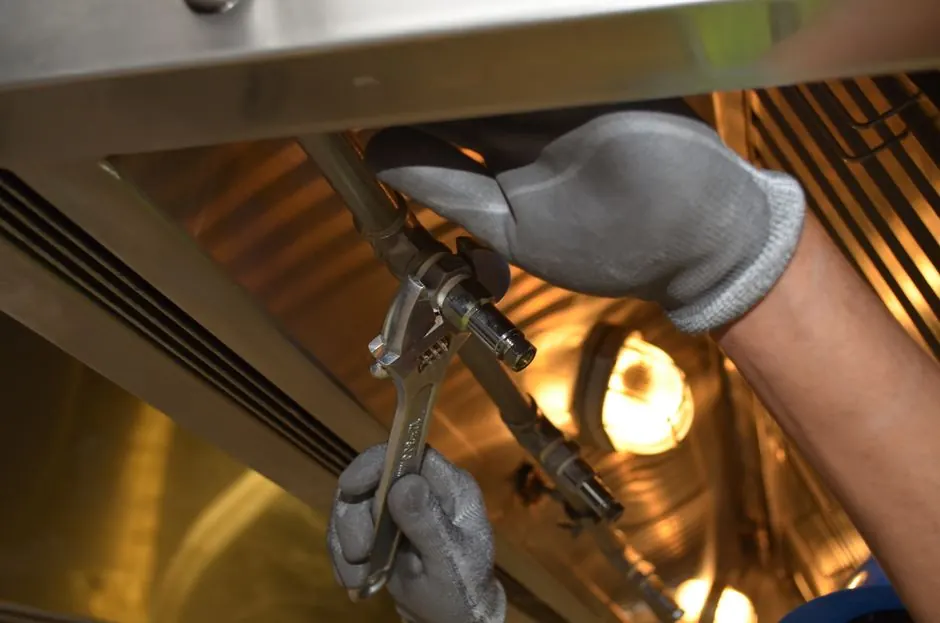
Share the symptom pattern, affected areas and property address.
Tucson Water publishes location-specific quality information. Mineral scale can affect tanks and tankless heat exchangers, but actual water conditions and equipment design matter. Replacement planning should include realistic maintenance needs rather than assume any unit is scale-proof.
A single-family home, restaurant, salon and multifamily building have very different peak hot-water loads. Sizing should reflect simultaneous fixture demand and recovery needs, not a generic gallon rule.
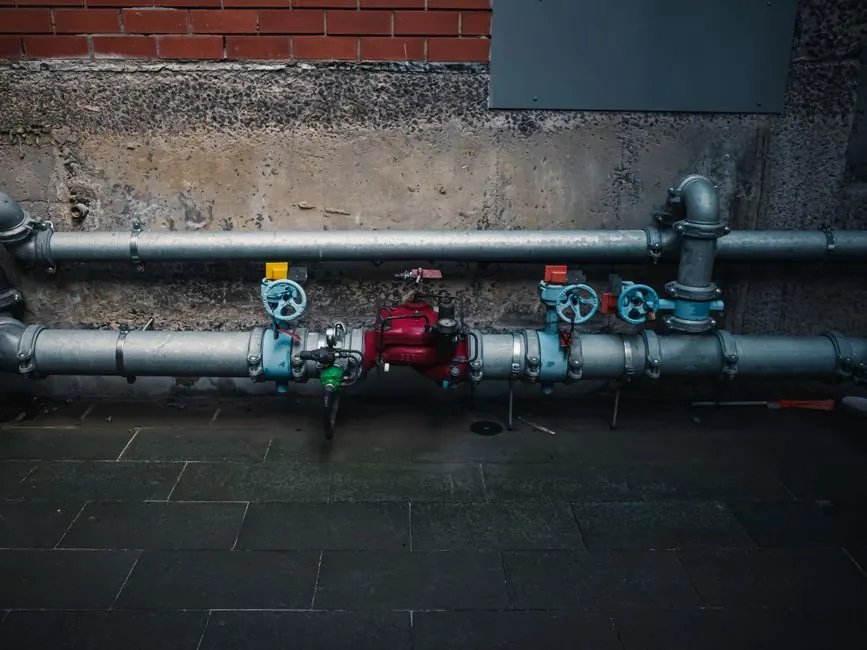
Equipment type, capacity, fuel, venting, electrical work, access, drain and relief piping, code-related updates, recirculation and disposal of the old unit influence project complexity. Switching technologies usually changes more than the appliance.
Concealed, buried, rooftop and occupied-area components require different access and restoration.
One serviceable component differs from a longer damaged or deteriorated section.
Shared lines, shutdown zones, equipment type and occupied spaces can change the work.
Replacing equipment without checking demand and connections can reproduce the same shortage or performance problem. Diagnosing the system protects the replacement decision.
A plumbing symptom can involve more than one connected component. These related services may be useful when an inspection shows that the source extends beyond the original fixture, line or equipment.
Water Heater Replacement is available across Tucson and surrounding Pima County communities, including Downtown, the University area, Broadway Village, Park Place, Casas Adobes, Catalina Foothills, Rita Ranch, Civano, Tanque Verde, Flowing Wells and Drexel Heights. Call with the full address because ZIP boundaries and service coverage do not align exactly.
Some supplied ZIPs are institutional, military, postal or extend outside Tucson. Call to confirm service for the exact property.
Direct answers about this service. A property-specific cause still requires evaluation.
+1 520-523-1313 →Tank leakage, repeated failures, serious deterioration, unavailable parts or inadequate capacity can support replacement after evaluation.
It depends on the source. Connections and valves may be repairable; a failed tank generally is not.
Sizing depends on peak hot-water demand, simultaneous fixtures, storage and recovery—not only the number of occupants.
Tankless can fit some properties, but flow, energy supply, venting, installation and maintenance must be considered.
Mineral scale can affect heating components and heat exchangers. Water conditions and maintenance should inform equipment selection.
Type, capacity, fuel, venting, electrical or gas changes, access, connections and code-related installation details affect cost.
Describe the symptoms, affected components and Tucson property address. The next step can then focus on this service rather than a generic plumbing package.
Call +1 520-523-1313 →