Hot water runs out during normal demand
Capacity, recovery, controls, scale and simultaneous use can all affect delivered hot water.
A restaurant, lodging property, salon or multifamily building may notice hot-water failure as a loss of temperature, slow recovery, leakage or inconsistent delivery at distant fixtures. Commercial water-heater service starts with the equipment, demand pattern and connected system—not a default replacement recommendation.
Service-specific diagnosisMatch the symptom to the right component
Repair before assumptionDefine damage and usable material
Tucson contextAccount for property and local conditions
Clear phone CTANo form, pricing or fabricated promises
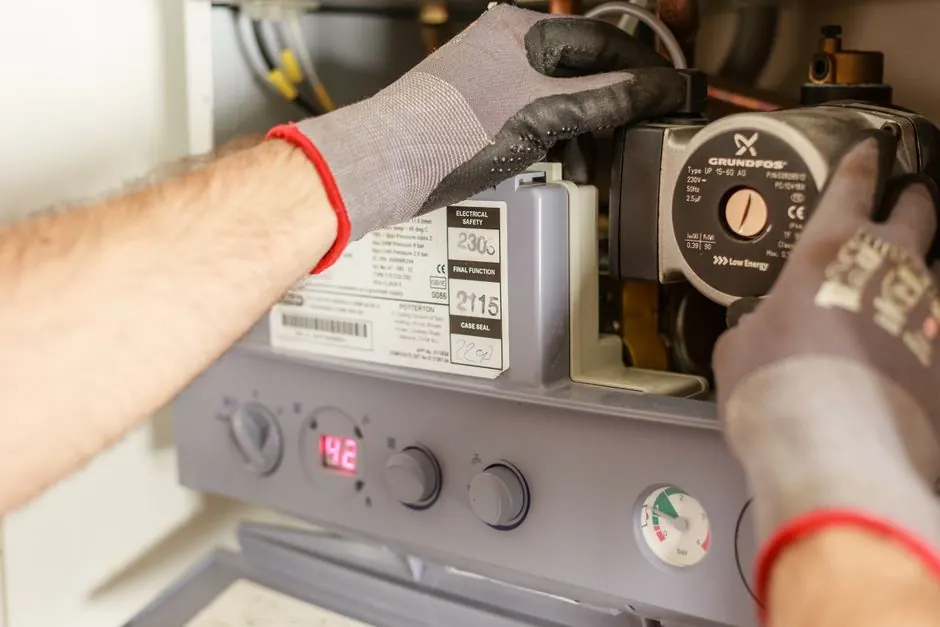
A restaurant, lodging property, salon or multifamily building may notice hot-water failure as a loss of temperature, slow recovery, leakage or inconsistent delivery at distant fixtures. Commercial water-heater service starts with the equipment, demand pattern and connected system—not a default replacement recommendation.
Evaluation should identify equipment type, energy source, capacity, leak source, delivered temperature, demand pattern, safety controls, venting where relevant and the condition of supply and hot-water connections. Gas and electrical work should be left to qualified professionals.
Call +1 520-523-1313 →Symptoms guide the evaluation but do not diagnose an unseen plumbing problem by themselves.
Capacity, recovery, controls, scale and simultaneous use can all affect delivered hot water.
The source may be a tank, relief discharge, drain valve, supply connection or nearby piping. Keep clear of electrical hazards and very hot water.
Controls, mixing components, recirculation and fixture-level issues can produce different patterns that should be separated.
Several causes can produce a similar visible result. The component, pattern and service history help separate them.
Heating elements, burners, thermostats, sensors and controls can affect production depending on equipment type.
Mineral-bearing Tucson water can leave deposits that affect heat transfer, valves and internal passages.
An undersized system, changed business demand or a recirculation problem can look like equipment failure even when the unit still heats.
Evaluation should identify equipment type, energy source, capacity, leak source, delivered temperature, demand pattern, safety controls, venting where relevant and the condition of supply and hot-water connections. Gas and electrical work should be left to qualified professionals.
Talk With a Plumber →Identify every affected fixture or area and whether the problem is isolated or shared.
Review condition, connections, access and surrounding plumbing within the service scope.
Separate cleaning, localized repair, component replacement and larger work.
A serviceable control or connection may be repairable. Tank leakage, non-serviceable heat-exchanger damage, repeated failures or an equipment-capacity mismatch can support replacement. Tankless conversion is a separate design decision involving fuel or electrical capacity, venting, flow and installation requirements.
Share the symptom pattern and affected areas.
Identify the component and surrounding condition.
Choose an option supported by the finding.
Review the addressed system within the agreed scope.
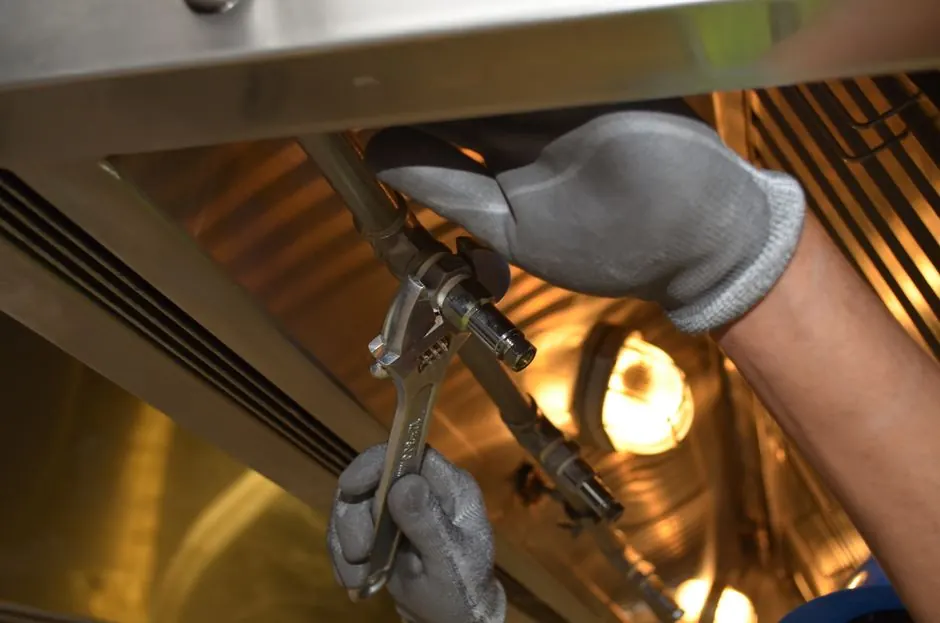
Share the symptom pattern, affected areas and property address.
Tucson Water provides address-based quality information because source conditions vary. Mineral scale can collect in tanks, valves and heat exchangers, and high-use properties may notice performance effects sooner. Scale should be considered with equipment condition and maintenance history rather than treated as the only cause.
Restaurants need hot water for sanitation and kitchen use; lodging and multifamily buildings face simultaneous demand; salons and offices have different peak loads. Correct capacity depends on real use, not building size alone.
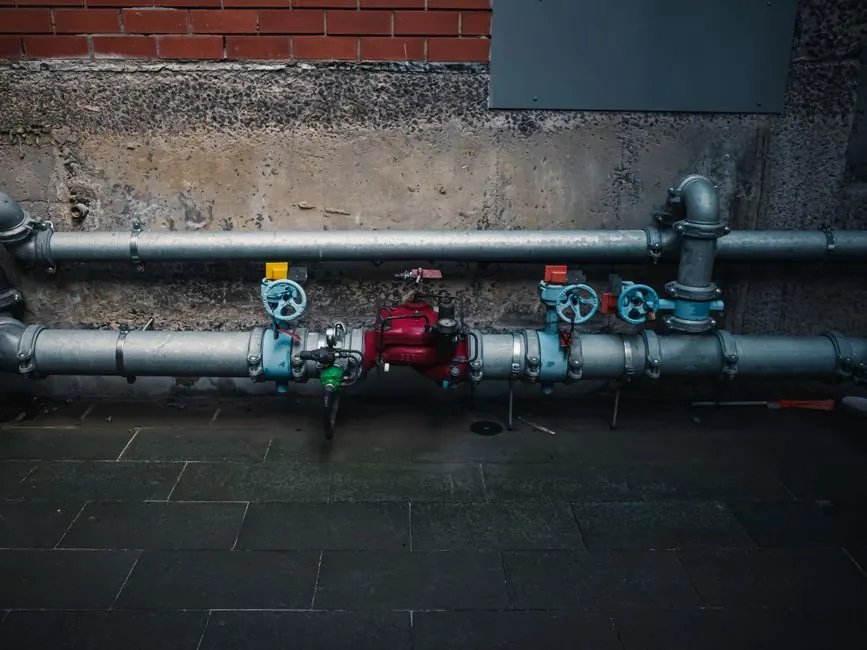
Replacement or repair complexity depends on equipment type, capacity, energy source, access, venting, electrical or gas connections, drainage, recirculation, code-related installation requirements and removal of the old unit. No generic price can capture those differences.
Concealed, buried, rooftop and occupied-area components require different access and restoration.
One serviceable component differs from a longer damaged or deteriorated section.
Shared lines, shutdown zones, equipment type and occupied spaces can change the work.
Replacing a water heater will not correct a distribution, recirculation or fixture problem. Conversely, repeated component repairs may not be sensible when the tank or heat exchanger is failing.
A plumbing symptom can involve more than one connected component. These related services may be useful when an inspection shows that the source extends beyond the original fixture, line or equipment.
Commercial Water Heater Services is available across Tucson and surrounding Pima County communities, including Downtown, the University area, Broadway Village, Park Place, Casas Adobes, Catalina Foothills, Rita Ranch, Civano, Tanque Verde, Flowing Wells and Drexel Heights. Call with the full address because ZIP boundaries and service coverage do not align exactly.
Some supplied ZIPs are institutional, military, postal or extend outside Tucson. Call to confirm service for the exact property.
Direct answers about this service. A property-specific cause still requires evaluation.
+1 520-523-1313 →Often, depending on the failed component and the condition of the tank or heat exchanger.
Not every leak comes from the tank. Connections, valves and discharge piping should be distinguished from non-repairable tank leakage.
Peak demand, simultaneous fixtures, recovery needs, storage, temperature requirements and business use affect sizing.
Mineral scale can affect heat-transfer surfaces and valves, but actual condition should be evaluated.
Tankless may fit some properties, but flow demand, energy capacity, venting, installation and maintenance need review.
Keep people clear and avoid entering water near energized equipment. Call for appropriate professional help.
Describe the symptoms, affected components and Tucson property address. The next step can then focus on this service rather than a generic plumbing package.
Call +1 520-523-1313 →