Recurring kitchen or floor-drain slowdown
A drain that clears and slows again may retain grease, sludge, debris or scale farther along the branch.
A slow commercial drain is not just a smaller version of a household clog. Restaurants, public restrooms, salons, offices and multifamily properties may send higher volumes and different waste through shared branches. The pattern matters: one slow sink suggests a local restriction, while several affected fixtures can point farther downstream.
Service-specific diagnosisMatch the symptom to the right component
Repair before assumptionDefine damage and usable material
Tucson contextAccount for property and local conditions
Clear phone CTANo form, pricing or fabricated promises
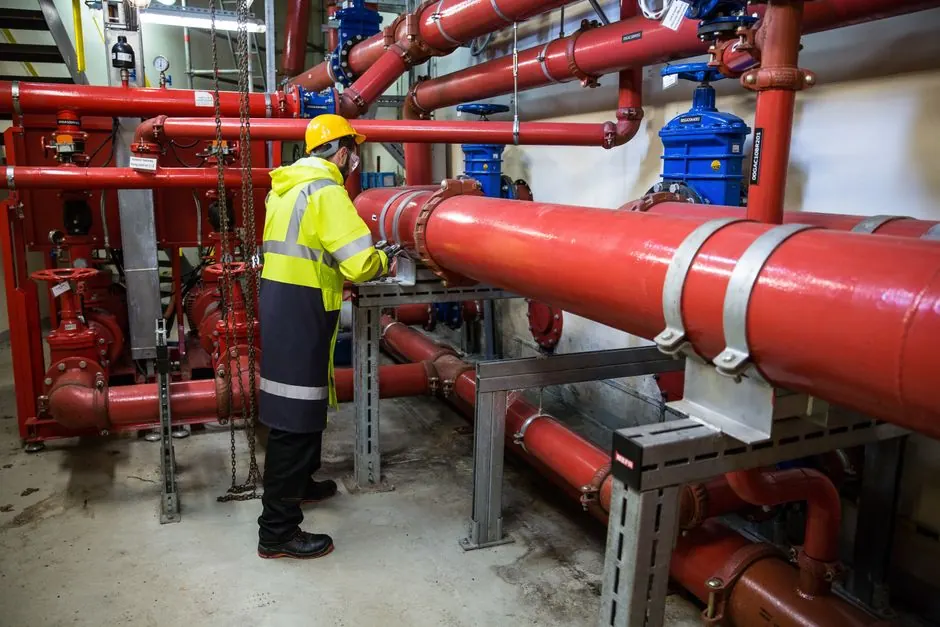
A slow commercial drain is not just a smaller version of a household clog. Restaurants, public restrooms, salons, offices and multifamily properties may send higher volumes and different waste through shared branches. The pattern matters: one slow sink suggests a local restriction, while several affected fixtures can point farther downstream.
Useful evaluation starts with which fixtures are affected, how quickly water backs up, whether the problem returns after clearing and where accessible cleanouts are located. Pipe material and condition matter because not every cleaning method suits every line.
Call +1 520-523-1313 →Symptoms guide the evaluation but do not diagnose an unseen plumbing problem by themselves.
A drain that clears and slows again may retain grease, sludge, debris or scale farther along the branch.
When sinks, toilets or floor drains change together, the restriction may sit in a shared branch or building drain.
Air movement and changing water levels can accompany restricted flow or venting issues; the affected layout should be considered before cleaning.
Several causes can produce a similar visible result. The component, pattern and service history help separate them.
Grease, soap residue, food particles, sediment and other material can narrow commercial drain lines over time.
A lodged object, offset joint, poor slope or deteriorated section can create a repeat collection point.
Tucson water can leave mineral scale on plumbing components. Scale may contribute to rough surfaces or restricted flow in some lines, but it is not the only cause of a clog.
Useful evaluation starts with which fixtures are affected, how quickly water backs up, whether the problem returns after clearing and where accessible cleanouts are located. Pipe material and condition matter because not every cleaning method suits every line.
Talk With a Plumber →Identify every affected fixture or area and whether the problem is isolated or shared.
Review condition, connections, access and surrounding plumbing within the service scope.
Separate cleaning, localized repair, component replacement and larger work.
A localized fixture or trap restriction may need focused clearing. A branch-line obstruction may require a different access point and cleaning approach. When symptoms suggest damage rather than buildup, sewer or drain repair should be considered separately instead of repeatedly cleaning the same line.
Share the symptom pattern and affected areas.
Identify the component and surrounding condition.
Choose an option supported by the finding.
Review the addressed system within the agreed scope.
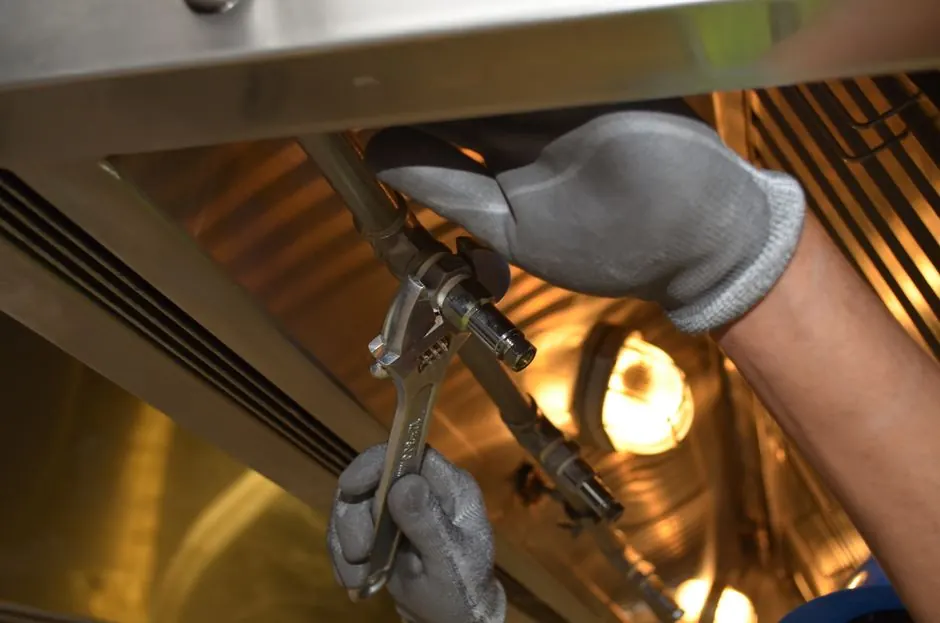
Share the symptom pattern, affected areas and property address.
Tucson’s restaurant and hospitality properties can place sustained demand on kitchen branches and floor drains. Mineral-bearing water may add scale while grease and food residue add organic buildup. These materials behave differently, so the restriction and pipe condition should guide the method.
Food-service drains, retail restrooms, office breakrooms and multifamily common lines do not fail in the same way. The number of users, fixture layout and material entering the system help explain why a clog returns.
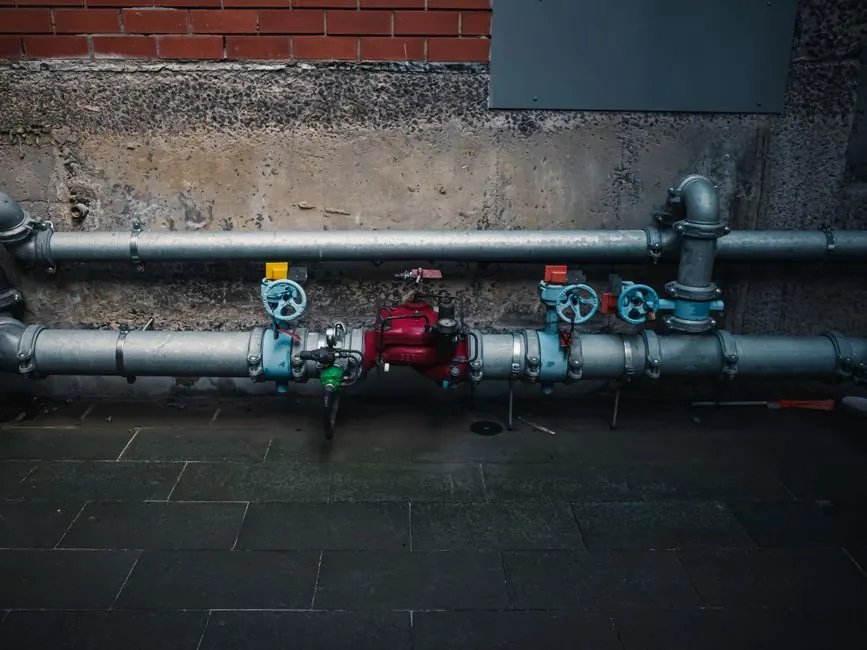
Cost is influenced by access, line size, number of affected fixtures, location of the restriction, pipe condition, cleanout availability and the cleaning method appropriate for the line. A deeper or damaged line can require additional investigation.
Concealed, buried, rooftop and occupied-area components require different access and restoration.
One serviceable component differs from a longer damaged or deteriorated section.
Shared lines, shutdown zones, equipment type and occupied spaces can change the work.
Repeated chemical treatment may not reach a shared restriction and can create handling hazards. Identifying the drainage path helps separate a serviceable buildup problem from a damaged-line problem.
A plumbing symptom can involve more than one connected component. These related services may be useful when an inspection shows that the source extends beyond the original fixture, line or equipment.
Commercial Drain Cleaning is available across Tucson and surrounding Pima County communities, including Downtown, the University area, Broadway Village, Park Place, Casas Adobes, Catalina Foothills, Rita Ranch, Civano, Tanque Verde, Flowing Wells and Drexel Heights. Call with the full address because ZIP boundaries and service coverage do not align exactly.
Some supplied ZIPs are institutional, military, postal or extend outside Tucson. Call to confirm service for the exact property.
Direct answers about this service. A property-specific cause still requires evaluation.
+1 520-523-1313 →Recurring clogs can involve retained buildup, a foreign object, poor slope, damaged piping or a restriction farther downstream.
Not always. They can indicate a shared restriction or another drainage problem that warrants evaluation.
No. Line material, diameter, condition, access and the type of buildup affect the appropriate method.
A dry trap, buildup, venting issue or drainage problem may contribute. The specific fixture and pattern should be checked.
Repeated chemical use may not address the underlying restriction and can create exposure risks.
When evaluation identifies damaged, collapsed, misaligned or severely deteriorated piping, repair may be more appropriate than repeated cleaning.
Describe the symptoms, affected components and Tucson property address. The next step can then focus on this service rather than a generic plumbing package.
Call +1 520-523-1313 →