Multiple drains change together
A shared symptom pattern can point beyond one P-trap or fixture branch.
A sewer-line repair page should answer a different question from a drain-cleaning page: is the buried sewer lateral physically damaged or unable to carry flow after serviceable buildup is addressed? Repeated whole-building backups, wastewater at low fixtures and recurring main-line trouble can justify deeper evaluation.
Service-specific diagnosisMatch the symptom to the right component
Repair before assumptionDefine damage and usable material
Tucson contextAccount for property and local conditions
Clear phone CTANo form, pricing or fabricated promises
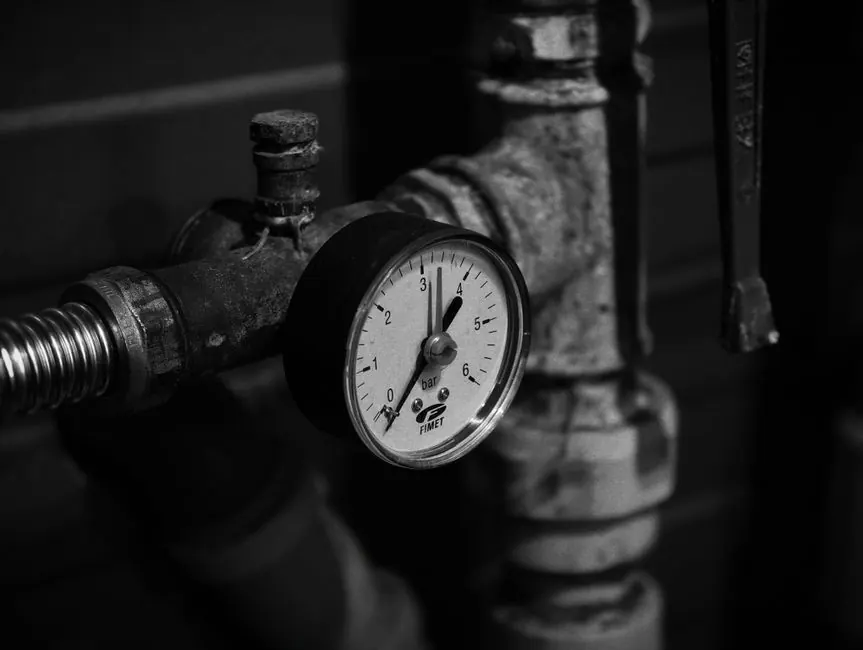
A sewer-line repair page should answer a different question from a drain-cleaning page: is the buried sewer lateral physically damaged or unable to carry flow after serviceable buildup is addressed? Repeated whole-building backups, wastewater at low fixtures and recurring main-line trouble can justify deeper evaluation.
Determine which fixtures are affected, where the building cleanout is, how the line behaves after cleaning, and where any defect is located. Pipe material, depth, route and surface access affect repair planning.
Call +1 520-523-1313 →Symptoms guide the evaluation but do not diagnose an unseen plumbing problem by themselves.
A shared symptom pattern can point beyond one P-trap or fixture branch.
Recurring flow problems may involve retained roots or debris, poor slope, an offset joint or damaged piping.
Sewer odors or unusual wet areas can have several causes and do not confirm a break without evaluation.
Several causes can produce a similar visible result. The component, pattern and service history help separate them.
Roots may enter cracks or joints where irrigated landscaping and trees are near a sewer route.
Movement or installation conditions can create offset joints, low sections or stress on buried pipe.
Pipe material, corrosion, deposits and foreign material can combine to reduce serviceability.
Determine which fixtures are affected, where the building cleanout is, how the line behaves after cleaning, and where any defect is located. Pipe material, depth, route and surface access affect repair planning.
Talk With a Plumber →Identify every affected fixture or area and whether the problem is isolated or shared.
Review condition, connections, access and surrounding plumbing within the service scope.
Separate cleaning, localized repair, component replacement and larger work.
A serviceable obstruction may need cleaning rather than repair. A discrete defect may allow localized repair. Longer replacement may be considered when damage or deterioration extends across multiple sections.
Share the symptom pattern and affected areas.
Identify the component and surrounding condition.
Choose an option supported by the finding.
Review the addressed system within the agreed scope.
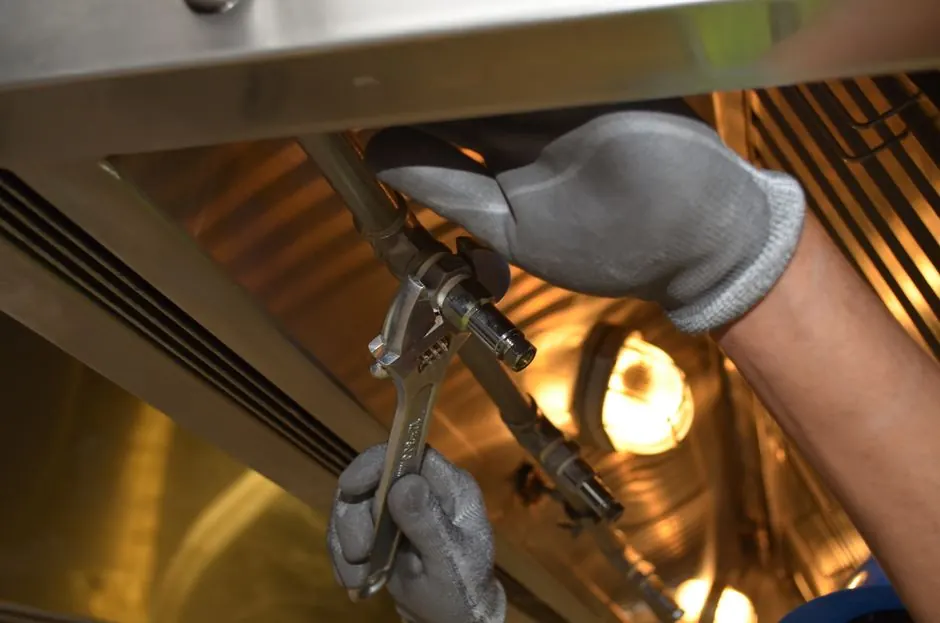
Share the symptom pattern, affected areas and property address.
Buried work in the Tucson region may encounter compacted desert soils or caliche-like material. Conditions vary even within one property. Depth, hardscape, landscaping and the actual route can matter as much as the pipe defect when planning access.
Older central neighborhoods, newer edge developments, multifamily properties and commercial parcels can have very different sewer routes and access. Property age alone does not identify pipe material or condition.
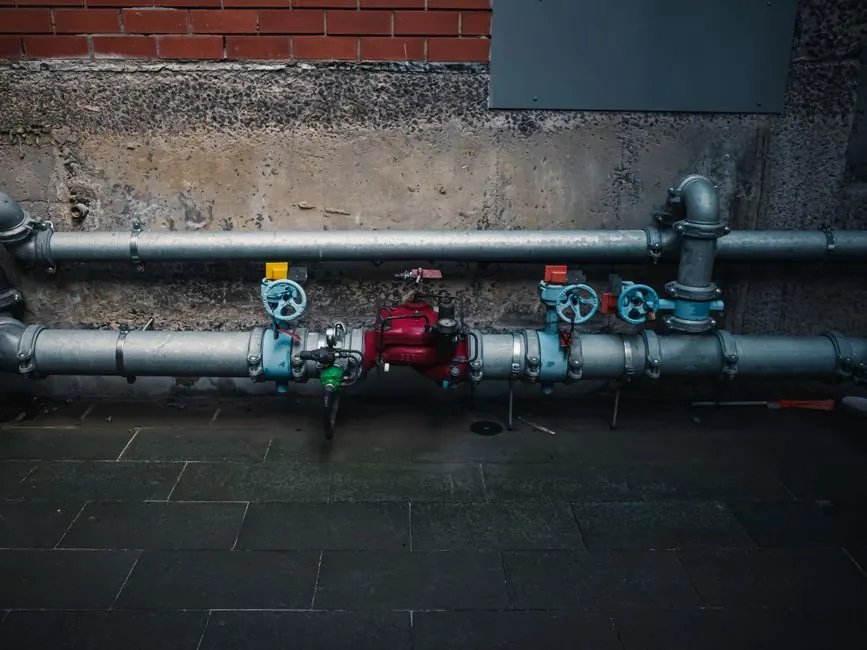
Depth, line length, defect location, pipe diameter, access, excavation, hardscape restoration and permit or inspection needs where applicable affect complexity. No price should be inferred before the route and damage are known.
Concealed, buried, rooftop and occupied-area components require different access and restoration.
One serviceable component differs from a longer damaged or deteriorated section.
Shared lines, shutdown zones, equipment type and occupied spaces can change the work.
A repeated backup is evidence of a flow problem, not automatic proof of a collapsed line. Diagnosis prevents unnecessary replacement while identifying defects that cleaning cannot solve.
A plumbing symptom can involve more than one connected component. These related services may be useful when an inspection shows that the source extends beyond the original fixture, line or equipment.
Sewer Line Repair is available across Tucson and surrounding Pima County communities, including Downtown, the University area, Broadway Village, Park Place, Casas Adobes, Catalina Foothills, Rita Ranch, Civano, Tanque Verde, Flowing Wells and Drexel Heights. Call with the full address because ZIP boundaries and service coverage do not align exactly.
Some supplied ZIPs are institutional, military, postal or extend outside Tucson. Call to confirm service for the exact property.
Direct answers about this service. A property-specific cause still requires evaluation.
+1 520-523-1313 →Repeated whole-building backups, several slow drains, persistent sewer odor and recurring main-line problems can justify evaluation.
A localized repair may be possible when the defect is limited and nearby pipe is serviceable.
Roots may enter vulnerable joints or cracks near irrigated trees and landscaping, but inspection is needed to confirm them.
The line may retain buildup, roots, poor slope or structural damage that was not removed by the earlier service.
No. Irrigation, water service leaks and drainage can also cause wet ground. The source should be identified.
Stop using affected plumbing and avoid wastewater contact until the condition is evaluated.
Describe the symptoms, affected components and Tucson property address. The next step can then focus on this service rather than a generic plumbing package.
Call +1 520-523-1313 →